View on desktop for best experience
Career advice, resume tips, and insights from Paige Careers to help you land your next role.
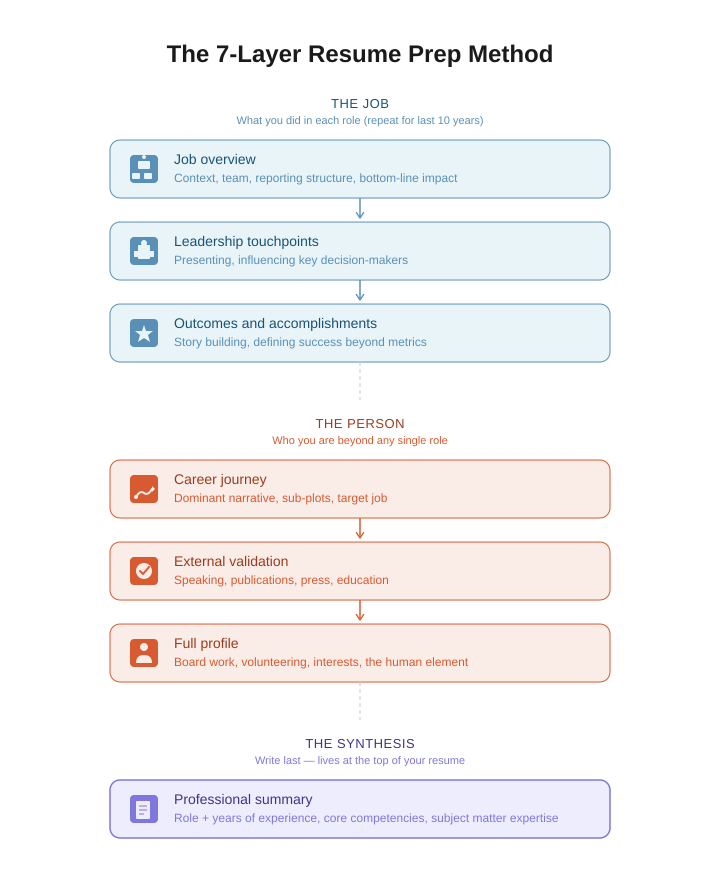
Most people sit down to update their resume and start typing. That's the wrong move. The writing is the easy part. The thinking is what they skip.
How two client conversations showed me exactly what's going wrong with some resumes: missing context before the bullets, missing specifics inside them, and failing to network meaningfully
The conveyor belt stops at graduation. Nobody warns you about that. Here is a practical playbook for new graduates navigating the job search for the first time — what it actually is, how to think about it, and what to do first.
Somewhere in 1974, a corporate training firm invented a framework to help people answer interview questions out loud. We've been using it on resumes ever since. It's time to stop.
Right now, I'm working with three government affairs professionals, all based in DC, all experienced, and all operating at a high level in their respective roles. On paper, though, you could almost swap their resumes without anyone noticing.
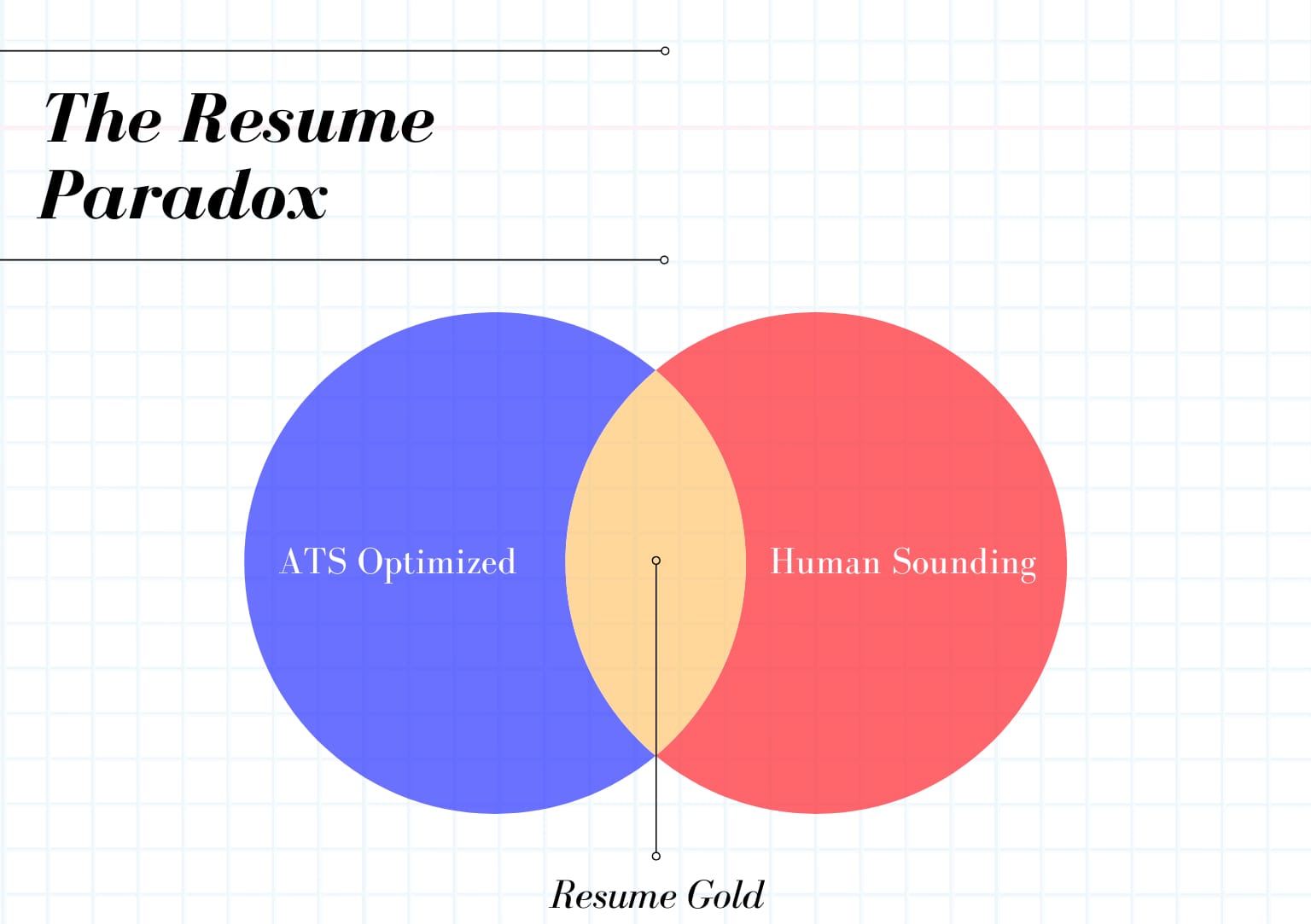
Somewhere in the gap between the ATS bots and the AI crawling bots lives what I like to call "resume gold." It's the reality of what a resume has to do in 2026, especially for new graduates entering a job market that automates its gatekeeping faster than it updates its expectations for new professionals.
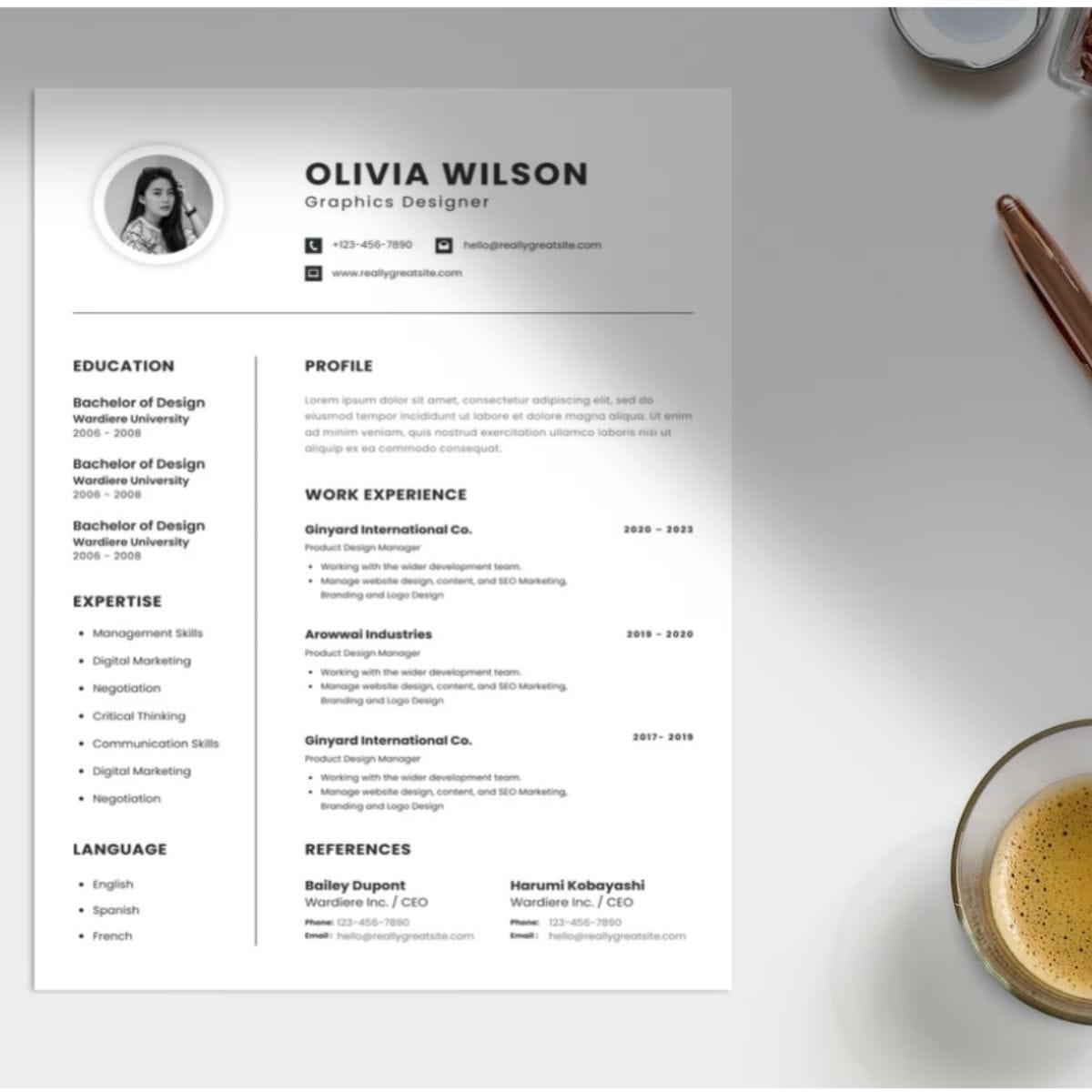
Those modern, two-column resume templates are beautiful, but they come at a real cost: interviews.
After reviewing hundreds of resumes, I keep seeing the same five mistakes.
For years, I've worked one-on-one with clients, asking the kinds of questions that uncover the stories their resumes are missing.
Career introspection often strikes at unexpected moments - a conversation with a friend, a frustrating day at work, or just a quiet evening when you finally have space to think.
Well, we made it to 2023, and the final post in my 3-part series on how to prepare yourself and your LinkedIn profile for the new year.
If you took this week or past weekend off to visit family, return to your hometown, or just reconnect with friends, you may be thick into what I described in my last post as a season of uneasy reflection.
The holidays are a time to recharge and relax. Many of us unplug from our work and reconnect with family and friends.
I speak with folks every week who are feeling stymied by their job search efforts.
When I saw The New York Times article about oversharing on LinkedIn, I honestly felt conflicted.
One of the easiest, highest-impact changes you can make to your LinkedIn profile is to update the visual elements.
I would say that roughly 90% of my clients haven't updated their Skills section on LinkedIn in over 5 years.
When clients come to me, they're often simultaneously embarrassed by what's in their LinkedIn profile and hesitant to engage on the platform.
Last week I took a squash lesson for the first time in a long time.
I recently received an email from a former classmate, who was "frantically searching for a resume guru" on LinkedIn.
The job market is hot. You’re not that happy in your current role. You’re ready for a new challenge.
What does an interviewer want to hear? Specific examples of your work that are responsive to their questions and relevant to the position they’re filling.
How do you make a good first impression on LinkedIn? Start by focusing on the top portion of your profile page.
LinkedIn Tip alert! Most LinkedIn profiles out there need a refresh or a complete LinkedIn overhaul.
Are you making a New Year's resolution to start seriously looking for that new job?
A good resume really comes down to having a tight, compelling, and authentic narrative that tells a potential employer you’re the right person for the job.
Put these insights into practice with Paige.