
As a college student, you spent four or more years knowing exactly what came next. Class registration. Finals. Summer internship. Rinse and repeat. The structure was always there, and you did not have to build it. You just had to show up.
Then you graduate. And the obvious next step is not so obvious. For most new graduates, this is disorienting. The absence of a clear next step does not mean something has gone wrong. It means the conveyor belt has ended, and the work of designing your own path has begun.
The Job Search Is a Season, Not a Match
The most common mistake new graduates make is treating the job search like a single high-stakes event. Submit a resume. Go to an interview. Win or lose. And if it does not work, assume something is wrong with you, or with your resume.
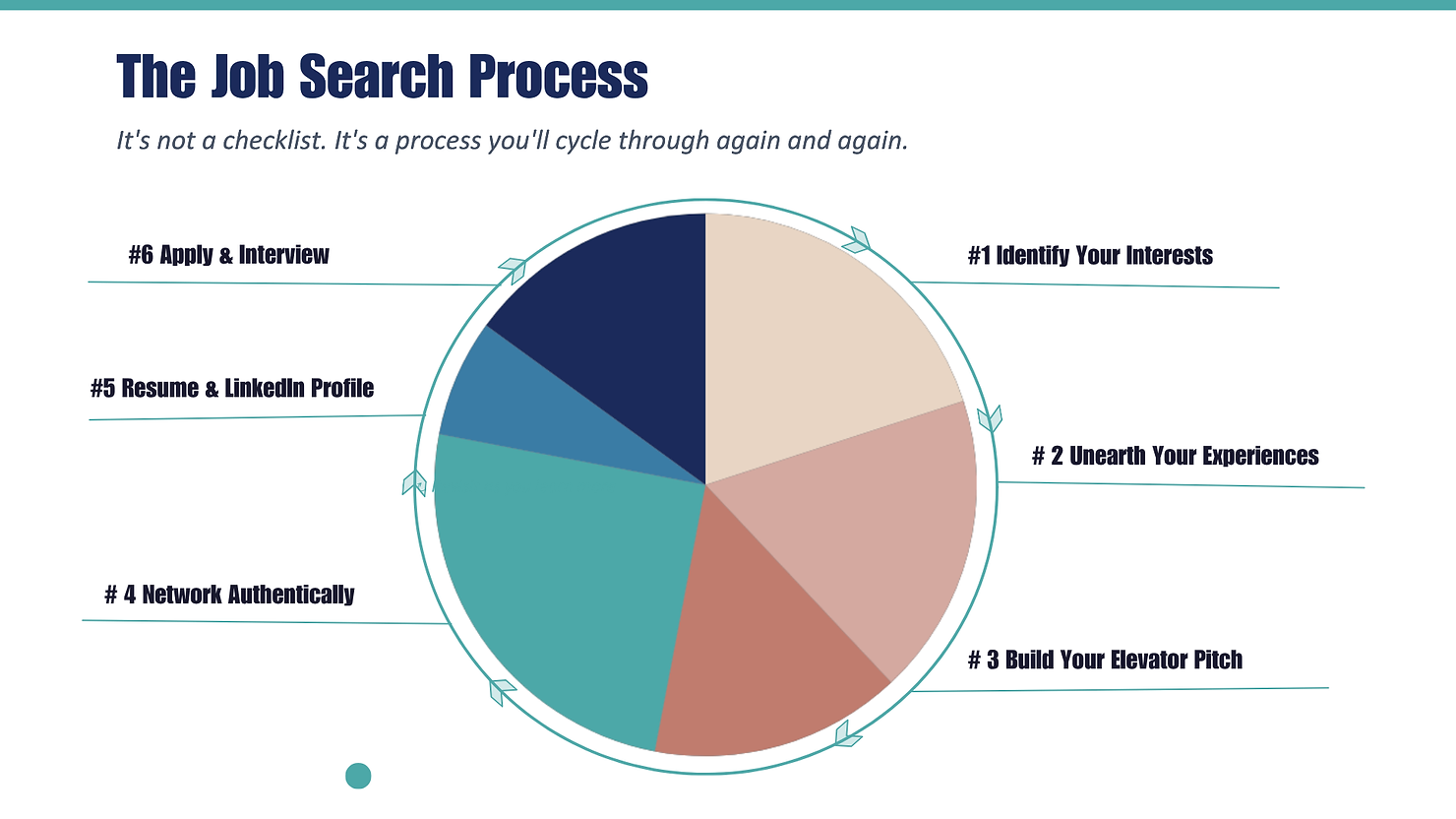
That framing is exactly backwards. The job search is more of a multi-step process — and most people spend 95% of their time at step #5: their resume & LinkedIn profile.
Here is the actual sequence:
- Identify your interests
- Unearth your experiences
- Build your elevator pitch
- Network authentically
- Build your resume and LinkedIn profile
- Apply and interview
Then repeat! Every conversation teaches you something. Every interview — win or lose — sharpens the next one. The goal is not to get it right the first time. The goal is to build the habit of iteration.
Careers are not linear either. Pivots are not failures. The sooner you accept that the dips and redirects ahead of you are a natural part of a professional life, the easier it becomes to face them.
Network From Curiosity, Not Desperation
Here is the number that should reframe how you think about the job search: 70% of jobs are never posted publicly. The job board you are refreshing every morning holds less than a third of available opportunities. The rest move through relationships.
Referrals matter too. You are 4 times more likely to get hired when someone inside the company recommends you. Your network is the job board. Quiet hiring is real.
The new graduates who navigate this well do not network transactionally. They reach out because they are genuinely curious about someone's career path. They ask real questions. They listen. They follow up with specific references to what was discussed instead of sending generic thank-you notes — or worse, no thank you note at all.
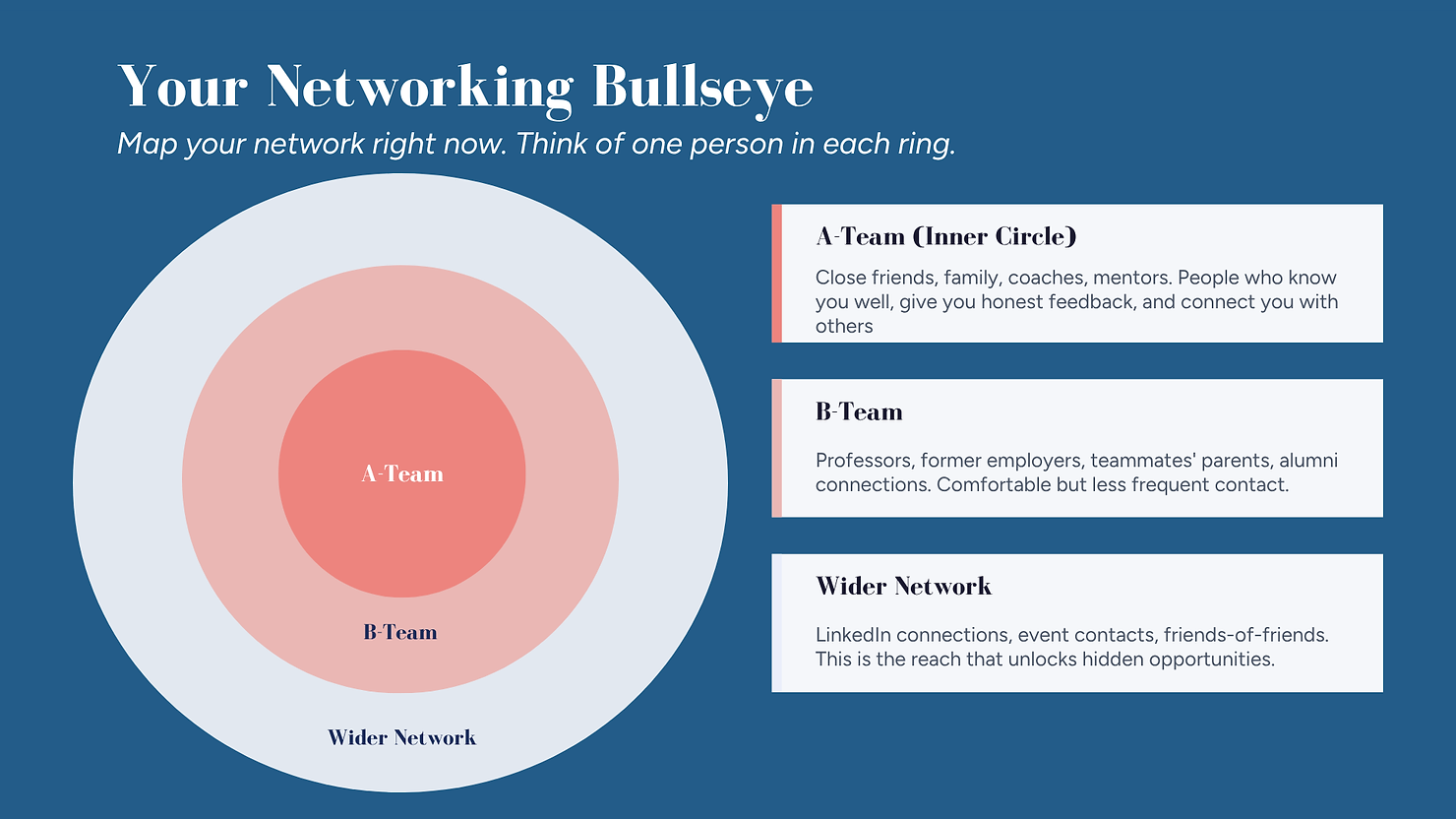
One way to think about your network is to organize it into 3 rings.
- A-Team: Close friends, family, professors, mentors. People who know you well and will give you honest feedback and warm introductions.
- B-Team: Former employers, family connections, alumni you have met once. Less frequent contact, but real warmth.
- Wider Network: LinkedIn connections, event contacts, friends-of-friends. This is the ring that unlocks hidden opportunities — and LinkedIn is where it lives. Connect with everyone you meet. Follow companies you are interested in. The more present you are, the more findable you become.
Start with your inner circle. Ask for 15 minutes. Be specific about what you are exploring or curious about. Then ask: "Is there anyone else you would recommend I speak with?" That question is how one conversation becomes three.
One more thing worth saying about networking: while it absolutely is a proactive activity you need to invest real time doing, it is also happening all of the time. Every person you meet is a potential future colleague, collaborator, or connection. What does that mean? It means, always mind your manners. Civility and respect are not soft skills. They are career skills.
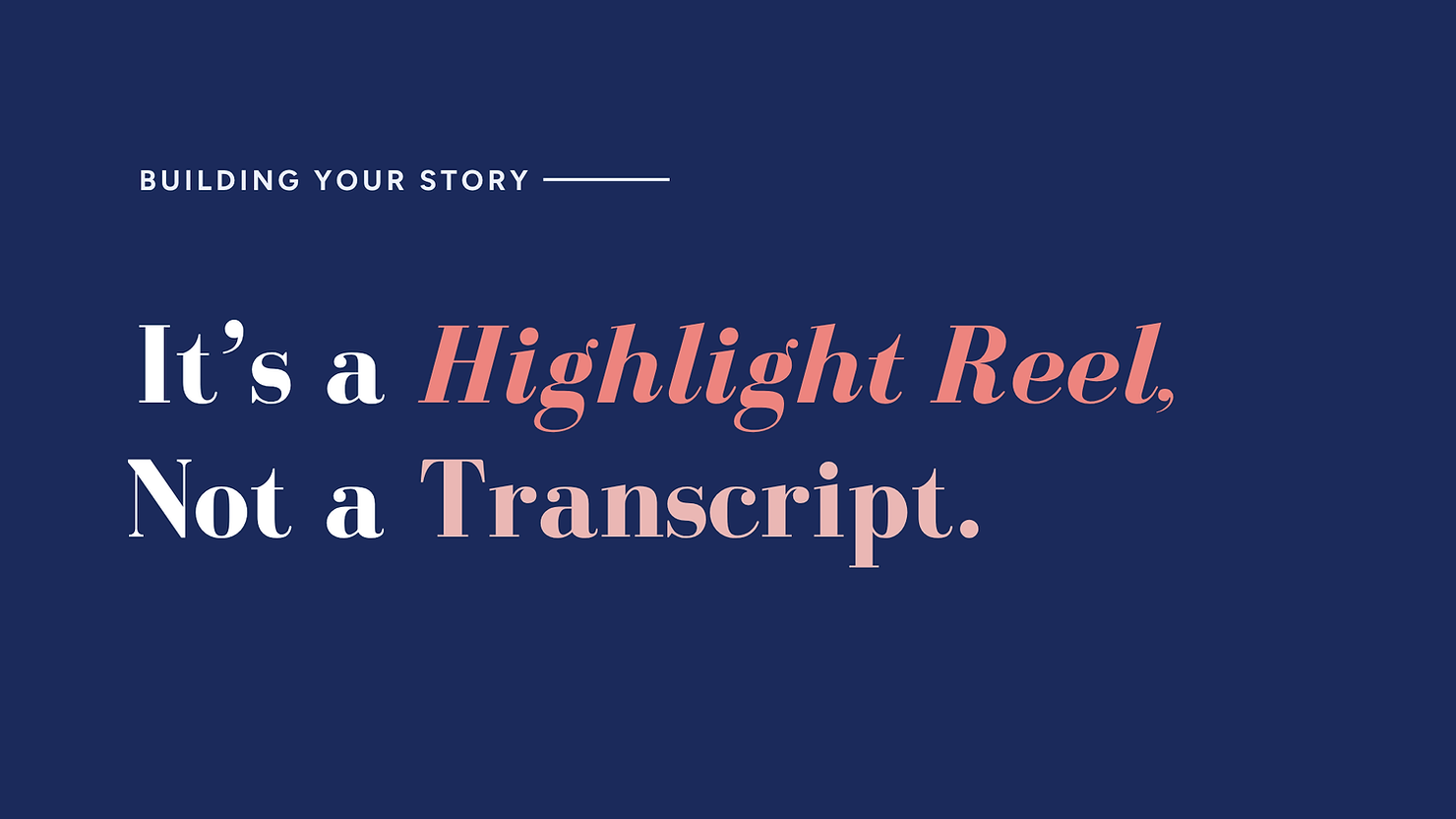
Your Resume and LinkedIn are a Highlight Reel, Not a Transcript
When you finally get around to tackling your resume and LinkedIn profile, remember: neither one is a record of everything you have ever done. Together, they tell one compelling, audience-focused story — and that story needs to be consistent across both. Inconsistent titles, a headline that still says "Student at [University]," or an About section you have not touched since sophomore year will undercut a strong resume before a recruiter ever calls you.
For new graduates, here is where to focus:
- Add a summary and update your Headline — and treat your LinkedIn headline the same way. A resume summary is 1-2 sentences that tell a reader who you are, what you bring, and where you are headed right now. Most new graduates skip it. Your LinkedIn headline is the same pitch, compressed into one line — and it is the first thing anyone sees in a search result, a connection request, or a recruiter's inbox. Both should reflect where you are going, not just where you have been.
- Lead with your strongest material — Academic honors, internships, leadership roles, and significant extracurricular commitments belong near the top of your resume. On LinkedIn, your About section should open with who you are and what makes you worth a conversation — the first 3 lines are all a reader sees before they click "more," so make them count.
- Every resume bullet point needs 3 things — an action, evidence, and people. Not vague descriptions of responsibilities. Specific stories of what you did, what happened because of it, and who was involved. (We call this the Specificity Stack — read the full framework here.) And don't forget to weave these stories into your Experience section
On this last point, when it comes to the actual drafting, you also have to consider the increasing realities of the hiring world: 75% of qualified candidates are rejected by ATS — applicant tracking systems — before a human ever reads their resume. That means the majority of new graduates are being filtered out not because they are underqualified, but because their resume is not built to pass the first screen.
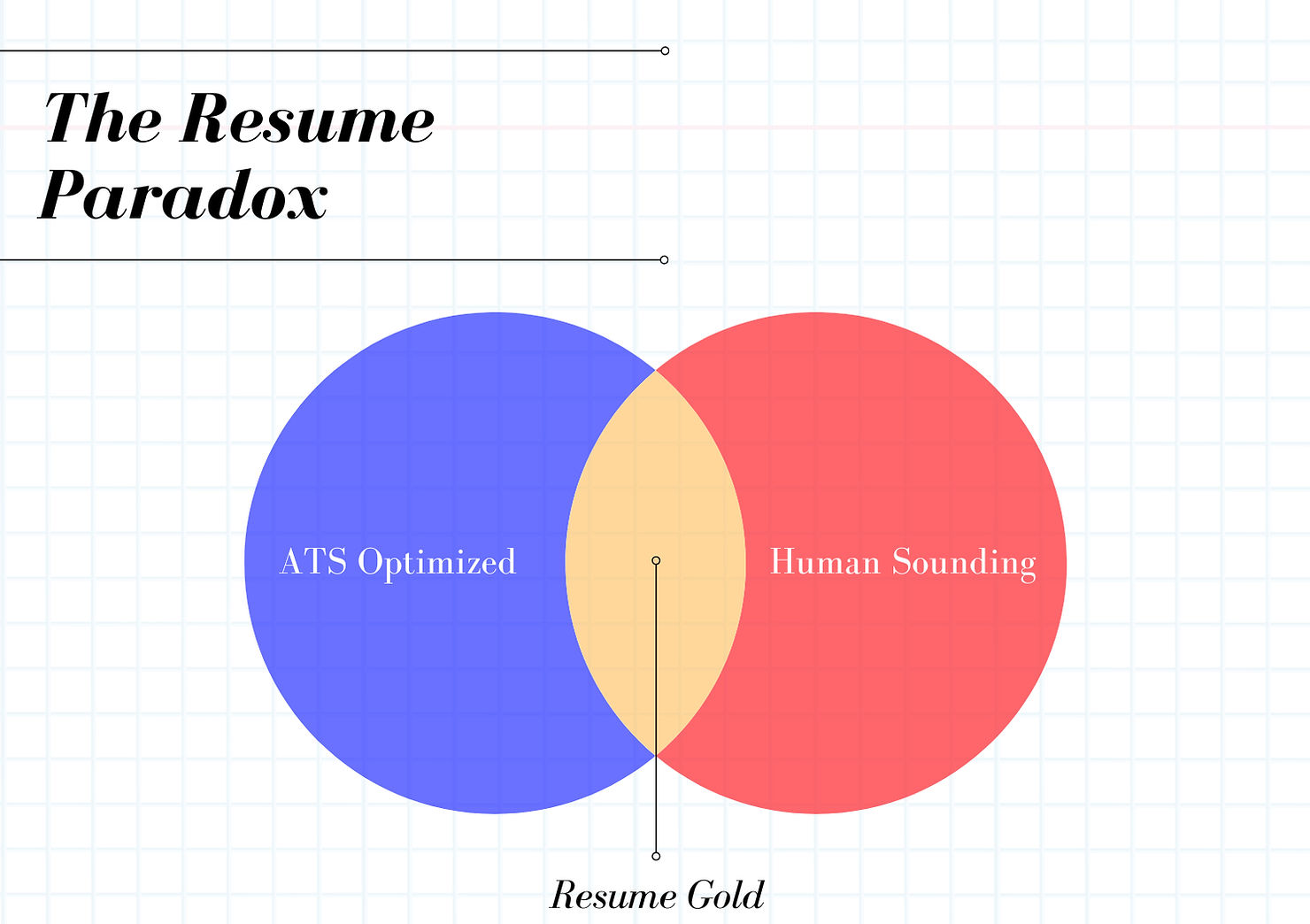
The candidates who make it through do two things at once: they use the right keywords for the machine, and they tell a specific, human story for the reader. Generic bullets fail both tests. Specific bullets — with real actions, real evidence, and real people — tend to pass both.
The goal is not to game the system. It is to tell the truth about your experience in language that is specific enough to be irreplaceable.
Need help building bullets that pass? Try a free resume review and get feedback before you apply anywhere.
Your Secret Weapon: Career Services
Only 1 in 4 college students uses career services for resume review, interview prep, or networking help. That means 75% of graduates are leaving a free, on-campus resource untouched — often until it is too late to access it.
Career services offices offer resume templates and feedback, job and internship leads, employer connections, mock interviews, and free access to tools like StrengthsFinder — which gives you language you can use directly on your resume and LinkedIn profile.
Go before you graduate. Be one of the ones who does.
If you have already graduated, the Paige Careers resume builder was built for exactly this moment — a tool that brings expert resume methodology to the job search without the price tag of a private coach.
The Takeaway
The conveyor belt stopped at graduation. That is not a problem. It is the beginning of something you actually get to design.
Treat the search like a season. Network from curiosity. Build a resume and LinkedIn profile that tell one specific, compelling story. And show up for every interaction like it matters — because you genuinely do not know where it leads.
The candidates who get hired are not always the most qualified. They are the ones who put in the pre-season work no one sees.
Ready to build a resume that tells your story? Try Paige free for 10 days.
Margaret Gerety is a Certified Professional Resume Writer (CPRW) and founder of Paige Careers, an AI-powered resume builder that combines expert coaching frameworks with AI to help early and mid-career professionals land their next role. She holds a JD from Harvard Law School and a bachelor's degree, magna cum laude, from Harvard College.